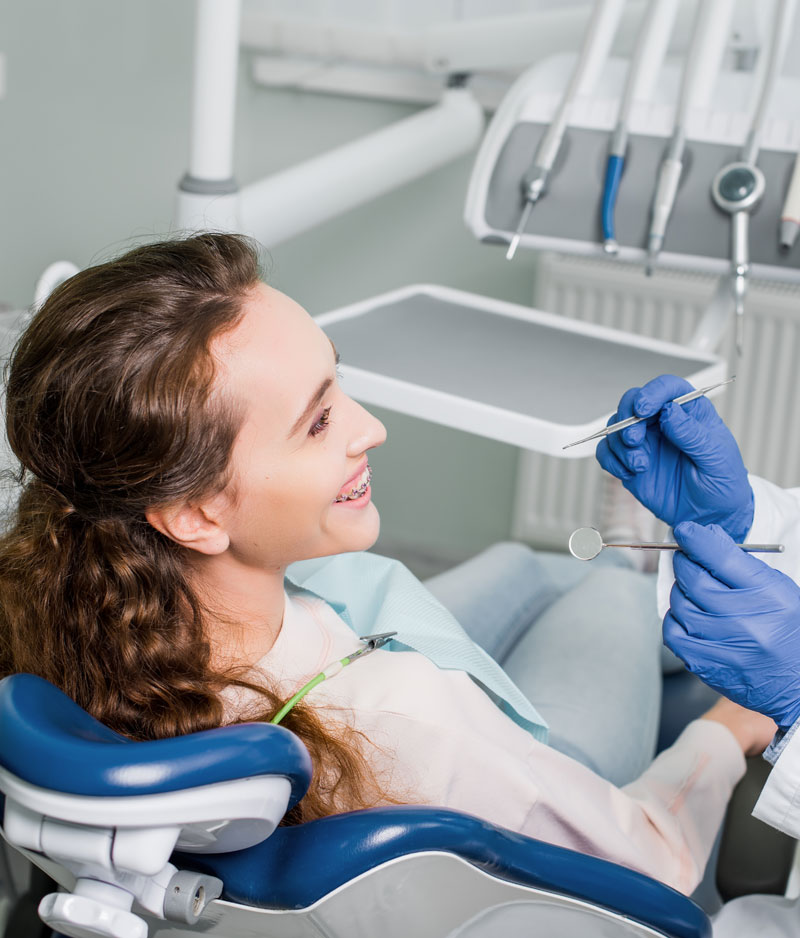
When considering braces, it’s important to understand the factors that can influence the overall cost. Here are some aspects to keep in mind:
Wondering how much do braces cost? When visiting the Orthodontist for braces, a common question is: what will they cost? Many variables affect pricing, so this should serve as a general guide—your Orthodontist will finalise prices and provide a fee schedule during your initial consultation.
Many Orthodontists offer interest-free payment plans to cover braces costs, and most health insurance companies provide rebates that can significantly reduce your initial expenses (check with your provider for more details as policies vary).
Different braces types may have varying rebates, so what appears the cheapest option upfront might not be the best long-term choice. Discussing these options with your Orthodontist and insurance provider will help you pinpoint your actual out-of-pocket expenses.
Primarily, there are several brace types based on lifestyle preferences: Traditional Metal, Ceramic, Lingual, and Invisalign. These all work to straighten teeth but use different technologies, leading to various costs and wear times.
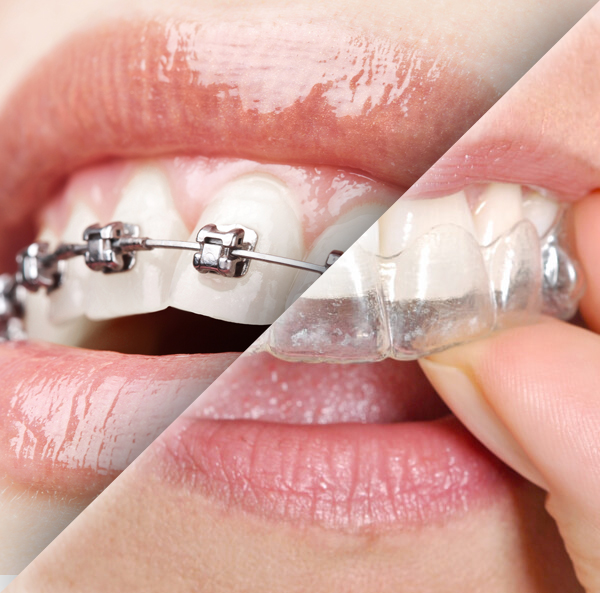
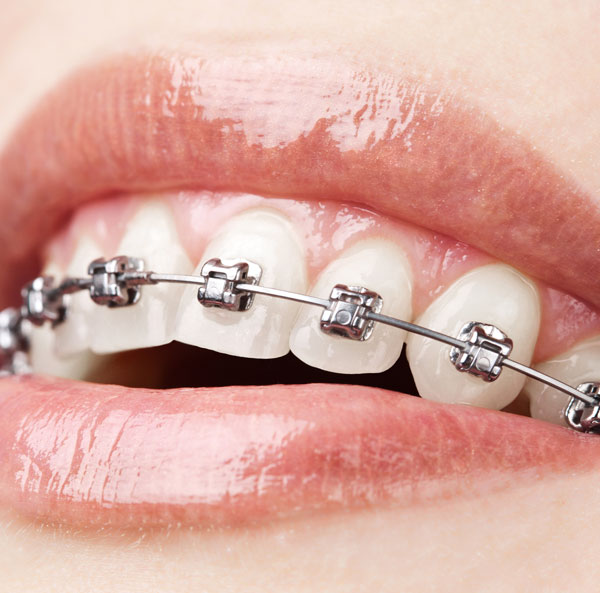
These are the familiar metal braces from childhood, but now smaller and flatter for greater effectiveness and shorter wear times. Made from high-quality stainless steel, they use metal brackets to align teeth and jaws.
Being the most affordable, Traditional Metal braces typically cost around $5,000 (consult with your Orthodontist to confirm your final price). You can add coloured elastics for an extra charge, but they are generally reliable and should not incur additional costs aside from regular check-ups.
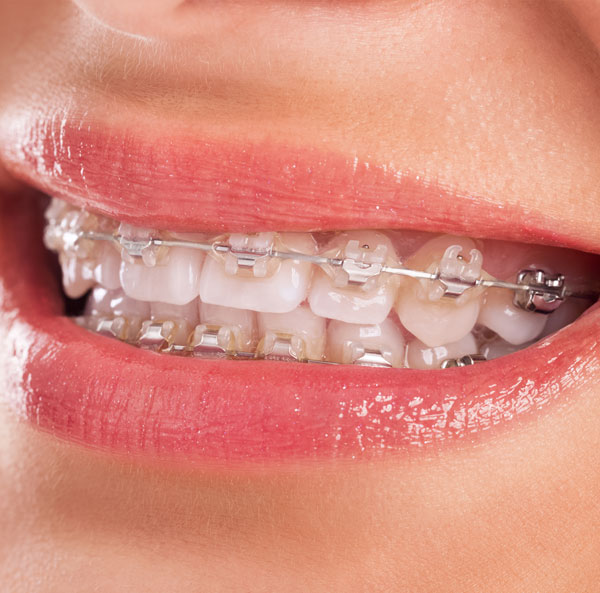
Ceramic braces, known as "White braces," or "Clear braces" are like metal braces but made of ceramic, making them less visible. However, they are not as strong, larger, and can be less comfortable—a trade-off for their discreet appearance.
A drawback is they can stain and demand more oral hygiene upkeep. Ceramic braces typically cost about $6,000 (your Orthodontist will confirm your final price). Additional costs include follow-up appointments.
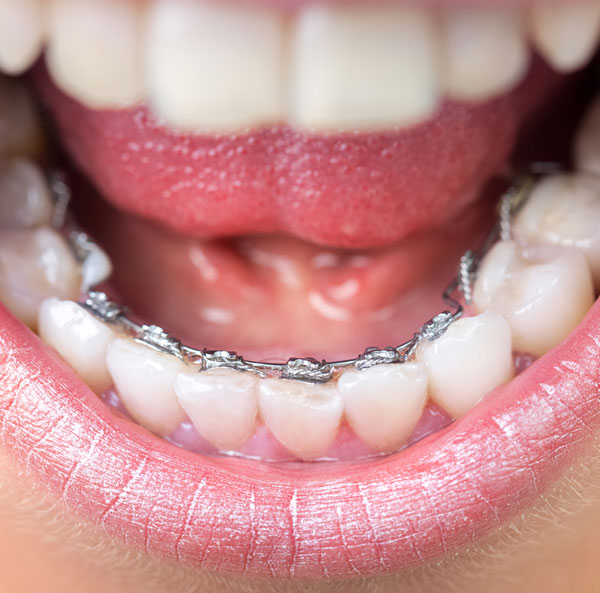
Lingual braces, made of metal or ceramic, are fitted behind the teeth, making them invisible from the outside. Especially suitable for adults preferring discreet braces, they require advanced technology and can cost $6,000 to $11,000 (pricing confirmed by your Orthodontist).
They may cause discomfort and slight speech issues due to crowding against the tongue. Not suitable for all, particularly those with smaller jaws.
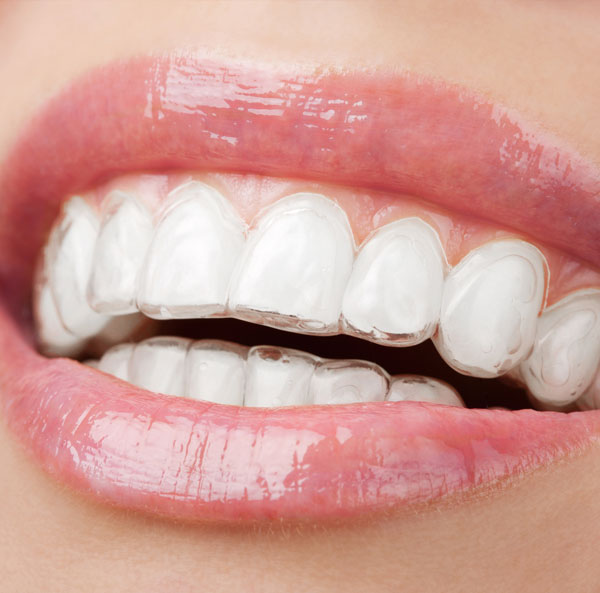
Invisalign, a newer teeth-straightening technology, is popular due to its flexibility—aligners can be removed when necessary. Custom-made aligners change every two weeks to gradually shift teeth.
Worn approximately 22 hours daily, they can be removed for eating and cleaning. More comfortable than traditional braces due to the lack of wires, though initial fitting may cause slight discomfort.
Costs range from $4,500 for minor adjustments to $10,000 for extensive cases. Full treatment may last 2 years, whereas minor corrections could take 3-6 months.

After braces removal, you might need a plate or night-time mouthguard, potentially incurring additional costs. Some may require extra time, additional braces, or repairs, which aren't included in the approximations above. Final pricing is confirmed by your Orthodontist at your consultation.
Orthodontic costs vary between practices, so researching to find the best treatment within your budget is advisable. Braces are a significant investment, and different providers may offer various services for their fees. Investigating providers and braces costs, including associated appointments, can be beneficial before committing.
Investing in braces is a significant decision that can lead to a lifetime of benefits. By understanding the options available and the associated costs, you can make an informed choice that aligns with your dental needs and budget.
Find an orthodontist in your city to discuss your preferences and embark on your journey to a straighter smile.